

Begining
At the initiative of the first trained Serbian surgeon Dr Vladan Đorđević (1844-1930)at that time, the head of the Department of Health, 1879. years the donet The people's Health Fund Act, which created the basis for the modern development of the health service in Serbia. In numerous praises of this law that came from abroad, it was emphasized that the Kingdom of Serbia stepped up in the organization of health care."in front of all other civilized countries.“.
The new law Hospital Varoš and District of Belgrade is 1881. renamed General state hospital (ODB), and yes, it is. 1889. it is the reorganization of its departments by The Department of external diseases first Surgical department in the Kingdom of Serbia. Upon the recommendation and personal invitation of Dr. Vladan Đorđević, and by the decision of the Ministry of health of 23. April 1889., former head of the surgical department and manager of the City Hospital in Zemun primarius Dr Vojislav J. Subbotić (1859-1923), was appointed to the first head of the surgical department of ODB .
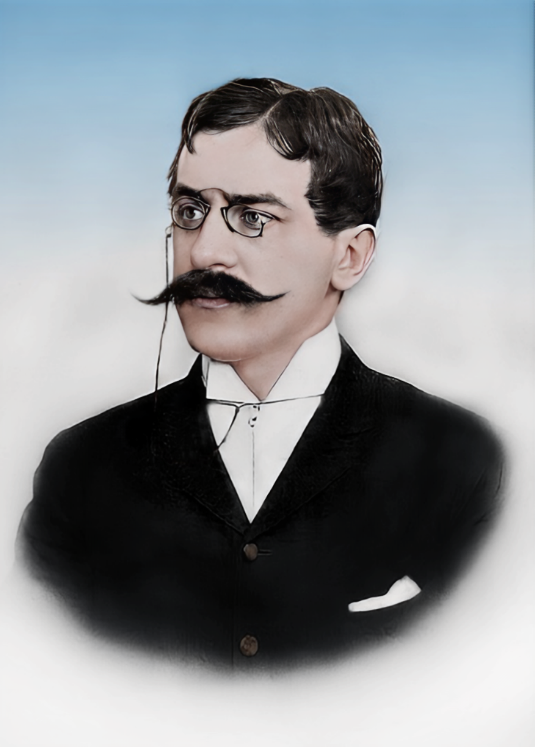
Prime. Dr Vojislav J. Subbotić, 1890. g.
At the surgical department of ODB, he served as assistant to primarius Subbotic in 1890. years of employment Dr Mihailo Petrović (1863-1934), which in 1896. al-Baqir the first doctor who completed his specialization in surgery in Serbia. During 1903. years in the Prime Minister's office. The subwoofers are starting to work Dr Nikola Krstić (1878 – 1947) i Dr Leon Cohen (1876-1949.
When the ODB began to form its own departments in the Western Vračar at the beginning of the twentieth century, the surgical department 1907. years moved to five newly built ground floor surgical pavilions with an operating block. The pavilions were connected by corridors between each other, and each had separate entrances from the front, back and both sides. On the south side between the pavilions was a complex of two operating rooms with accompanying rooms, which was connected to the pavilions by a covered corridor.
During Wars of liberation and Unification doctors of the surgical department of ODB, primarius Subbotić and his closest friends. Dr Petrović, Dr Krstić i Dr. Cohen they played a key role in the development of Serbian surgery. These four surgeons were not only physicians but also top military health strategists. Their greatest importance in the Balkan and Great War was primarily that they applied the European standards acquired in Vienna and Paris in wartime conditions and further developed using methods that were not known in the surgical world at the time.
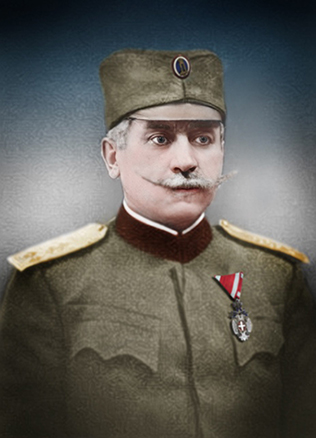
Lieutenant Colonel Dr. Vojislav J. Subbotić, 1913. g.
Conditions on the battlefields of Serbia and Albania, and especially on the Salonika front, in the field hospitals of the supreme command such as Dragomanci and Ostrov, required revolutionary surgical decisions. These surgeons introduced into standard practice methods that were then new and on a global scale: direct suture of blood vessels, immobilization rail for femoral fracture, blood transfusion in wartime conditions, surgery at the „trench threshold“ (emergency surgery immediately after the wound), primary wound treatment with aseptic solution rinsing, etc.
Military experience of traumatic aneurism
Primarius Subbotić gained worldwide recognition by treating blood vessel injuries using the most modern method-direct suture of the blood vessel. Then medical lieutenant colonel in the Reserve, primarius Subbotić after the end of the Balkan wars in the period of 6. to 12. August 1913 he participated in 17. International medical congress in London. At one of the two sessions of the surgical section of the Congress, entitled "surgery of the arterial system," Dr. Subbotić 9. August 1913 a lecture Military experience traumatic aneurysms. He depicted 60 arterial and 17 venous injuries of which 19 arteries and 13 veins were repaired by partial or circular suture. At that time he said: "Suture is certainly the most difficult and demanding procedure and is undoubtedly not the right choice of treatment in all cases. Nevertheless, it appears to be very effective and is indicated not only in cases where it is absolutely necessary, but also in others where it can be simply and aseptically carried out.…“
This session was chaired by the famous American surgeon Dr Rudolph Matasthe first repair of an arterial aneurysm is now considered to be "the father of vascular surgery“. After reviewing the results of Dr. Subbotic, he stated:"Dr. Subbotić made a timely and most valuable contribution to the war injuries of blood vessels... the success of his team's surgeons at the Serbian Military Hospital in Belgrade far exceeds those achieved by military surgeons in previous wars…“.
The following month, primarius Subbotić published his results to the most prestigious medical journal Lancet under the name „Military experience of traumatic aneurysms“ (Lancet, volume 182, Issue 4697, p.720/721, September 6th, 1913). The results of Dr. Subbotic were not surpassed anywhere in the world or in the Second World War, and the first attempts were made only in the Korean War.
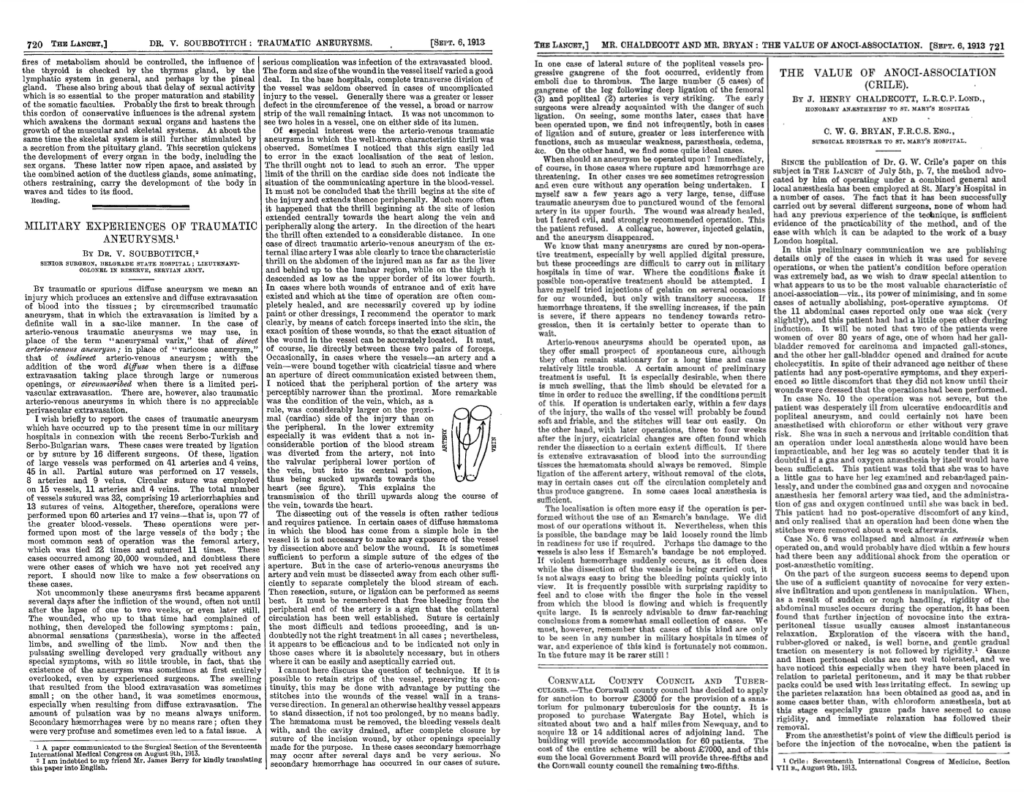
Subbotitch V. Military experience of traumatic aneurisms. Lancet 1913, 182, 4697: 720-721.
Creation Of The Chair
After the end of the Great War and the re-establishment of ODB, within the surgical department of ODB by royal decree of 6. July 1919 two new departments are being established: surgical-Urological and Surgical-Orthopedic. For the chief The surgical-urology department Dr. Cohen was appointed chief Surgical-Orthopedic Dr. Krstic. Upon commencing re-operation at the ODB surgical department during 1919. years of employment as a secondary physician, specialist in surgery Dr Radoslav Brašovan (1888-1964) and only a qualified doctor, Bogdan Kosanovic (1892-1964).
In order to establish the Medical Faculty of the University of Belgrade by decree HRH Crown Prince Aleksandar Karađorđević (1888-1934) 9. September 1919 g. it is named".Vojislav Subbotić, PhD, doctor and operator from Belgrade-for surgery“. This is how prof. Dr Subbotić with prof. Dr Milan Jovanović-Batuta became the first professor of the Faculty of Medicine.
The College of Medicine is 6. February 1920 the Dean was appointed by prof. Batuta, and for the first vice-dean prof. Subbotics. The school of Medicine is officially open 9. December 1920. years in the Hall of the University, in the rectorate building in the Kapetan-Mišina building.
In the School of Medicine, immediately after the beginning of functioning, in the premises the pavilion of the surgical department of ODB by decree in 1920. founded in 1921. the year begins with the work Surgical Clinic of the Faculty of Medicine. The surgical clinic thereby became the first clinic of the medical faculty to begin its work. For the clinic, but the first head of the Department of surgery of the Faculty of Medicine in Belgrade, he was elected Prof. Dr Vojislav Subbotićwhat's The surgical clinic became the first teaching and professional institution for the study of surgery in the history of Serbia, but also in the newly formed Kingdom. By this decree the surgical-Urological and Surgical-Orthopedic departments are elevated to the level of departments.
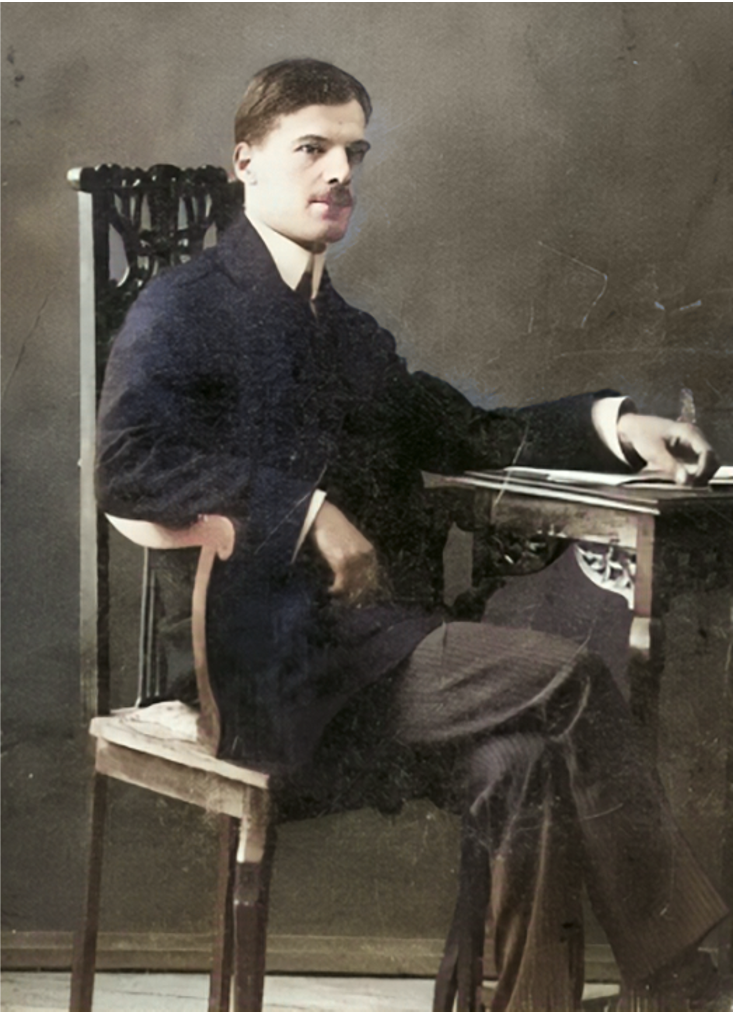
The Millivoy Kostić, 1911. g.
During 1921. years to the express proposal and commitment of prof. Subbotic for associate professor for the subject surgical propedevtica 21. February was chosen. medical Colonel Dr Mihailo Petrović, and 28. in March of the same year as a professor of general surgery primarius Milivoje Kostić (1883-1974. Professor Subbotić was elected to Dean The Faculty of Medicine University of Belgrade 1921-22 year.
The statute of the faculty planned to teach and practice 22 compulsory subjects at the Medical Faculty, three of which were surgical – surgical propedeevtics, general surgery and Surgical Clinic., as well as 12 non-compulsory ones, among them Urology, Orthopedics and War surgery.
In the following period, three mfub chairs of surgery were formed: the chair of general and Special Surgery, the chair of surgical propedeevtics, and the chair of War surgery. The first was in 1923. the years began to work Department of general and special Surgeryand the chief is appointed by prof. Subbotic. The cathedrals were divided into general and experimental surgerywhich was led by prof. Kostić i special surgical pathology and therapy, organized by prof. Subbotic.
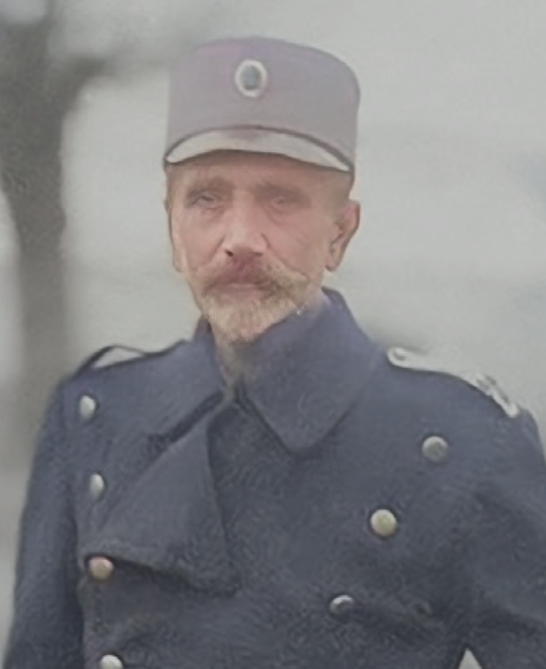
Prof. Dr Mihailo Petrović, 1917. g.
Chair of surgical propedeuctics was also founded in 1923. years, and was entrusted with prof. Mihailo Petrovićshe was appointed as her assistant Dr Salomon Davidović (1891-1974). Classes in surgery at MFUB began with surgical propedevtics in the V Semester of the 1923/24 school year. the first lecture, entitled "On the development of surgery in Serbia" is 25. October 1923. held by prof. Petrović. As head of the Department of general and special surgery prof. Subbotić prepared his first lecture for the beginning of December.
Next, in 1922. the Mfub course is for associate professor of War surgery 9. March 1922 he was appointed general manager of the army hospital, Colonel Čedomir đurđević (1866-1940)and for the first assistants in the subject of General and Special Surgery dr Dragoslav Brašovan i Dr. Bogdan Kosanovic.
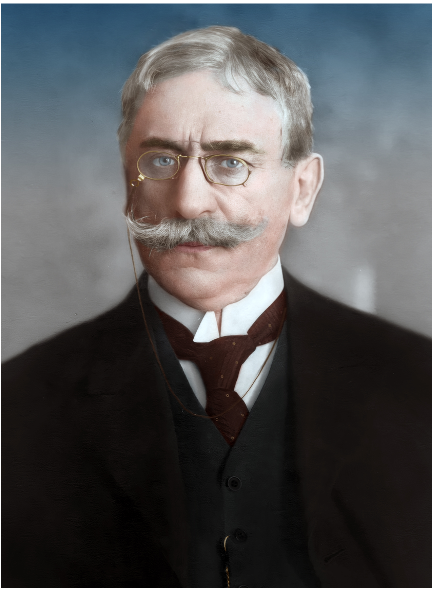
Prof. Dr Vojislav J. Subbotić 1923. g.
Unfortunately, prof. Subbotić became seriously ill and died 4. December 1923 g. For his contributions to medical science and surgical practice prof. during his lifetime, Dr. Subbotić received the highest awards and decorations. Among others, he was a member of the French, German and international surgical societies, the pest Medical Society and the Paris Academy of Medicine. However, his greatest reward was, as he himself often said,".the love and respect of his disciples“.
The irony of fate is that the Subbotić does not give his accession lecture to medical students, but it is 10. December 1923 years he was appointed chief of the surgical clinic prof. Milivoje Kostić, in the improvised hearing room of the clinic for ear, throat and nose diseases in the ODB building in Vidinska Street (.this date is considered the day of the Department of surgery at MFUB).
Access lecture by prof. Subbotić
& # 8222;and here comes the day, Nilesthe day I've been waiting for, the day I've been waiting for forty years. As a magically beautiful autumn day, the leaves have charred, already thinned; the air is crystal, the view is far away, only in places light haze, like gentle silky cobwebs cover but do not hide the Blue distances. The sun illuminates all the beauty of nature; you are glad to dwell in the invigorating warmth of its heavenly light. And in all this universe you feel the effect of an indescribable harmonic chord, which you know to be one of those to which the symphony of the lush life of nature ends, before it, in its eternal rebirth, will sink into the deep, icy sleep of winter.
This and such feeling overtakes me today, when I stand before you, as your teacher, more than 42 years after that time, when I became a doctor, I ceased to be what you are today, medical students with a heart full of love for our science and a soul filled with that blissful carelessness, with which only youth can make a man happy.………
….Finally, let me draw your attention to the fact that anyone who would like to maintain a permanent connection with the Medical Sciences and their development is required, in addition to the love of science, to do real, conscientious, tireless and persistent work. The father of medicine, the great teacher Hippocrates said:: Life is short and art is long.“

Access lecture by prof. V. Subbotić
Access lecture by prof. V. Subbotić
The description of the publication will be available soon.

Department Development
After death “the father of Serbian surgery"prof. Subbotić, prof. Milivoje Kostić is 1924. appointed head of the Department of general and Special Surgery, a post he will remain in for the next 32 years. During 1924. the year was founded and Department of War surgery under the direction of Prof. The first two, unlike the last two, were not part of the class. Within ODB is 1924. the year was founded Department of children's surgery, the first of its kind in the Kingdom, and for the chief was installed Dr Dimitrije Jovčić (1889-1973).
In early 1928. years after the design of prof. Subbotize completed and started work Surgical clinic Amphitheater building south of the surgical pavilions. The newly built building had a library, a modern equipped X-ray cabinet, laboratories as well as two operating rooms. There was also a large and beautiful amphitheatre in this building where lectures in surgery began to be held. “The amphitheatre was at the same time made possible and as it was called"model-operation"room with Vault lighting, “and the vault itself could be obscured by an electric movable curtain so that a large number of students could observe from their seats the course of the operation without disturbing the operators.“.
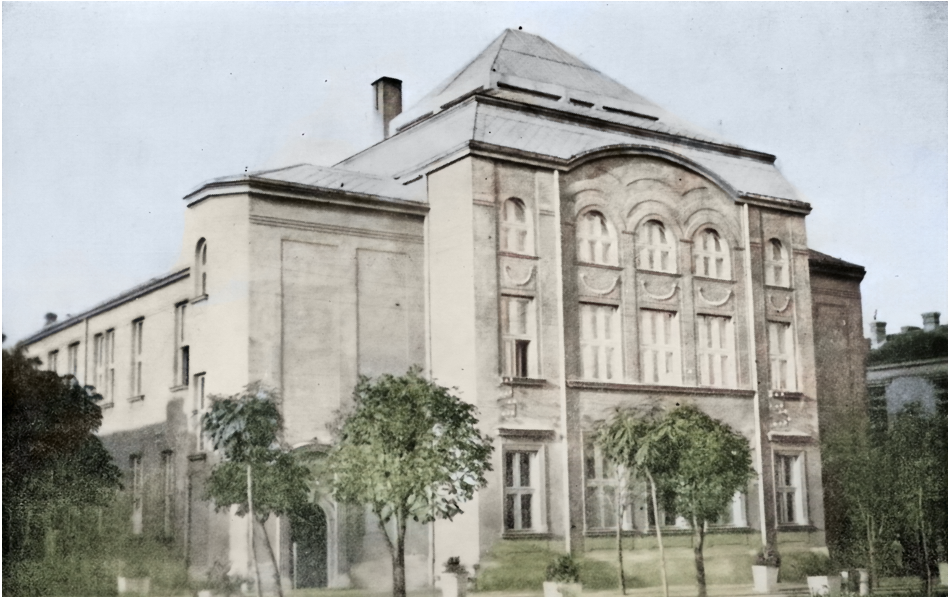
Surgical Clinic Amphitheater building, 1928
Teaching surgery at the School of Medicine 1928-29 year it worked out as well as in previous years. Honorary Professor Mihailo Petrović he taught surgical propedevtics for the V and VI semesters, associate professor Milivoj Kostić he was in charge of General and Special Surgery for students of the VI, VII and VIII semesters, and Honorary Professor Čedomir Đurđević, War surgery in the IX semester. On a weekly basis, surgery at the medical faculty had a total of 11 hours of lectures and 14 hours of exercises.
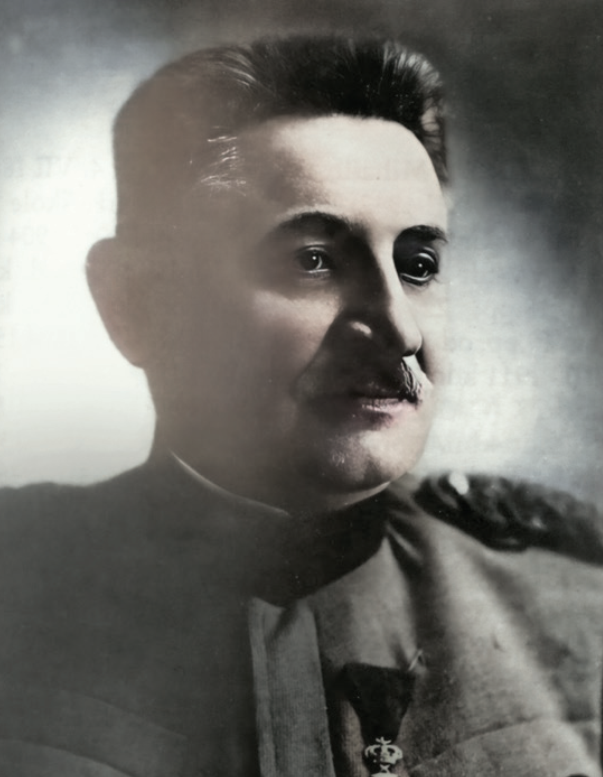
General Dr Čedomir Đurđević
Ass. It's the brawny December 1929. years he was elected assistant professor, and in the same year Professor Dr. Đurđević was promoted to the rank of brigadier general and appointed chief of medical staff of the Third Army in Skopje, which led to a break in the teaching of War surgery. Only after the Second World War did the IV surgical clinic teach in this subject. Dr Vojislav Stojanović.
Associate professor Milivoje Kostić a decree Alexander and his wife, 25. March 1930 he was elected to full professor of General and Special Surgery at MFUB.
Universities Act
New Universities Act the donet 28. June 1930. years (published in The official gazette of the Kingdom of Yugoslavia, no. 149-LV/1930), signed by NJKV Alexander i, represents the first uniform and comprehensive law on higher education enacted in the Kingdom of Yugoslavia. This law confirmed the provision on the autonomy of the University, which reserved the right of autonomy in the election of University organs and rectors. Under this law University associate professor he was elected for 5 years and could be appointed only on the basis of a competition, according to the report of one professor, while the election was made by the Faculty Council, which consisted of all associate and full professors, and the proposal was then sent to the University Senate (rector, vice-rector, all deans and vice-deans) for approval. For selection associate professor of the University a contest was held in The Official Gazette, and the candidate first sent the application to the rector, and this to the faculty, who then referred the application to the Faculty Council. The College Council elected two rapporteurs who submitted a report on the candidate (.a biography with an overview of scientific and professional work). Then the Faculty Council convened a session at which all associate and full professors voted on the candidate. A candidate could only be elected by an absolute majority, and then the proposal of election was sent to the University Council which confirmed the election by an absolute majority of votes. The University's decision was submitted by the rector to the minister of education for approval. This law full professors of the University "they were the king of Kings," he said .the state of the state and the state of the state& # 8220;.
In the late twenties due to the limited capacities of the Surgical Clinic the need for expansion imposed. A new building directly north of the surgical pavilions has been built since 1927. by 1930. and is named Surgical-urological Pavilion. The new medical clinic has officially started working. 2. March 1931 yearsand her death was personally witnessed by NJKV Aleksandar I Karađorđević.
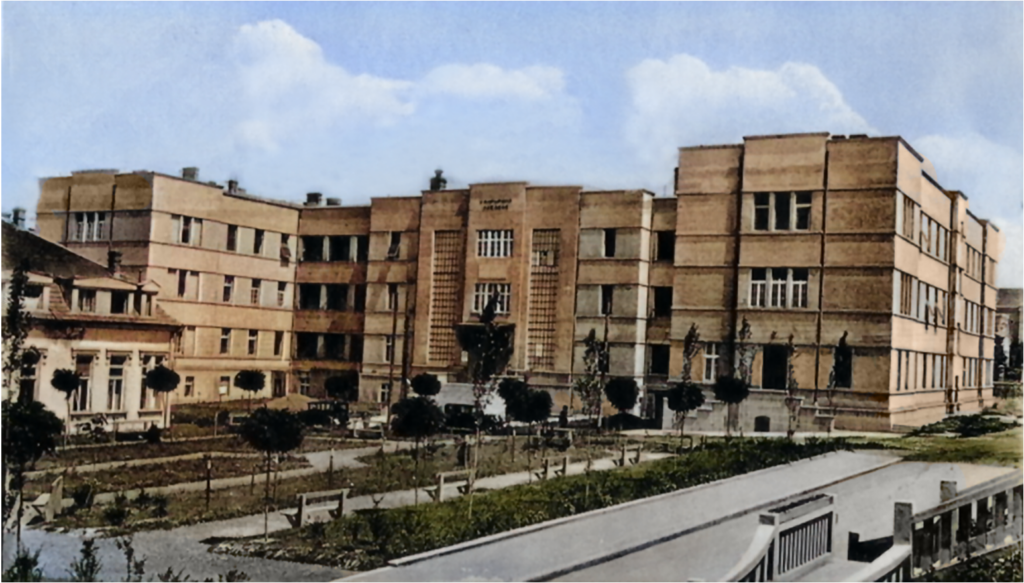
II surgical department of the surgical clinic (surgical-urological Pavilion) 1931
Surgical-urological Pavilion ODB
Politics, 03. March 1931 years
“The new pavilion of the Urology Department of the general state hospital has started its actual work since yesterday. The head of the department, our excellent surgeon Mr. Dr. Leon Cohen, performed the first surgery yesterday morning in this pavilion supplied with the most modern installations of the modern surgical clinic.
Yesterday afternoon at about 4 o'clock. V. Kralj, whose benevolent care enabled the erection and equipment of this very important department of the general state hospital, accompanied by the Marshal of the court, General Mr. Dimitrijević, visited the new pavilion.
The head of the Department, Mr. Dr. Cohen, waited for him.The king in the Pavilion, presented his doctors and assistants, and then spent it. Majesty through the Departments of the pavilion.“

Dr Leon Koen, Nikola Preka (Minister of Health), NJKV Aleksandar I Karađorđević, Dr Petar Ilić (director of ODB)
The surgical urological Paviliontoday's Department of Health and Human Services - the first surgical) the II surgical and surgical-urology departments were seconded from the Mfub surgical clinic, and Associate Professor Cohen was appointed as the manager of the newly formed II surgical department of the surgical clinic.
Soon after the beginning of work in the new building of the surgical-urological pavilion was formed and Children's surgical department with 40 beds, which was moved from the Anglo-Serbian hospital in Višegradska Street, which he continues to manage doc. Dr Dimitrije Jovčić.
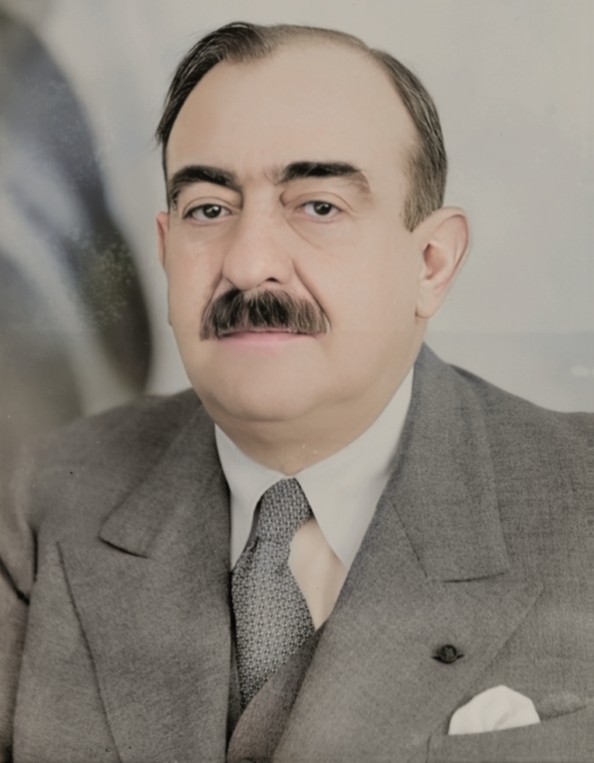
Prof. Dr. Leon Cohen, circa 1935
The Faculty of Medicine is 1932. years he chose the professor. Leon Cohen as associate professorthis is the reason why the surgical and urological Department The mfub urology clinic.
In the period since 1925. by 1932. years at the surgical clinic, as assistants in addition to Dr. Brašovan and Dr. Kosanović worked for a longer or shorter time Dr Svetozar Nikolajević (1925-1927) i Dr Nestor Todorović (1927-1933). Until the Second World War, mfub's assistant doctors of surgery were still Dr Vječeslav Kazmin (1932), Dr. Đorđe Đorđević Chamba (1933), Dr Milivoje Genčić (1934) i Dr Stanislav S. Bukurov (1937).
March 1933 the mfub private docents are selected by orthopedic surgeon Dr Borivoje Gradojević (1894-1979) and children's surgeon Dr. Dimitrije Jovčić. In this way, the lectures in surgery are added to the lectures in pediatric surgery and orthopedics, which were held by prof. Bone.
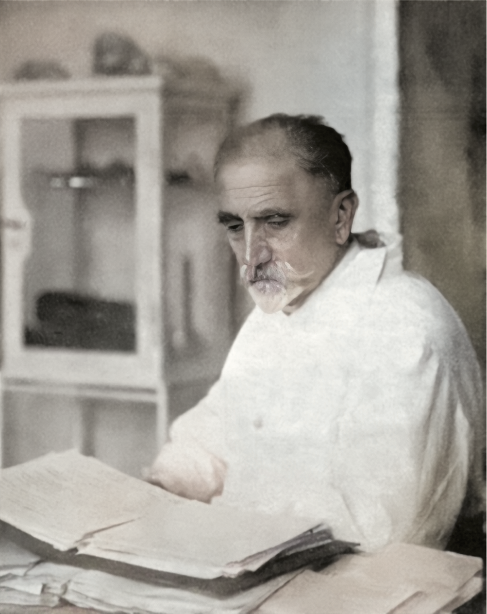
Prof. Dr Mihailo Petrović, 1934. g.
The beginning of the school year 1934. Professor Milivoje Kostić, after the death of prof. Petrovic, combined two surgical departments, and formed a The Department of surgery with war surgery.
The teaching in surgical propedevtics was entrusted to the former director of the anatomy Clinic and founder of MFUB Professor Niki Miljanić (1892-1957), which in 1934. he was appointed temporary professor of surgical propedeivtics.
Surgery exam
In the period of 1930. by 1935. years a total of 657 students applied for the examination in surgery at the Faculty of Medicine with prof. Of which 472 were men.
Out of the total number in the period of five years, only two students (female students) received tens (school year 1931/1932), six students (all men) nines, 23 eights, 72 sevens and 243 sixes, while the exam was not passed by 212 students. In the same period a total of 96 students had applied for the examination in surgery, but in the meantime dropped out.
In the first 15 years of operation, the Faculty of Medicine enrolled 2,654 students, and one third graduated, more precisely 871 students (610 men and 261 girls).
Dr. Bogdan Kosanovic is under the direction of Prof. Kostić, 1935. years he founded the first Department of chest surgery in the new ODB chest compartment building, erected in 1932. the hospital, which is now a surgical clinic.
In August 1938. years the first surgical department of the surgical clinic moves into the building of the surgical – urology Pavilion. Upon his departure, prof. Kostić remains the manager, now a spatially unified Surgical Clinic. Since then, the clinic has been called University surgical clinic prof. Dr. Kostić-Belgrade.
In the Surgical Clinic of prof. It's a cost 31. October 1938. years forma Department of Neurosurgeryand his 19-year-old younger brother, Assistant Professor Dr Slobodan Kostić (1902-1986). This department was the first of its kind in the Kingdom at the time and opened just three years after the first neurosurgical Department in the world.
During the school's 1938/39, in addition to Professor Kostić, University assistant professor Brašovan, private assistant professor Gradojević and assistants Kazmin, Đorđević Chamba, Genčić and Bukurov worked at the Mfub. At the same time at the newly formed clinic for propedeutic surgery, the acting director was prof. Dr. Miljanić, and assistant Dr. Davidović, while working at the urology clinic, was an associate professor. Koen and assistant volunteer Dr. Dimitrije Gostimirović.
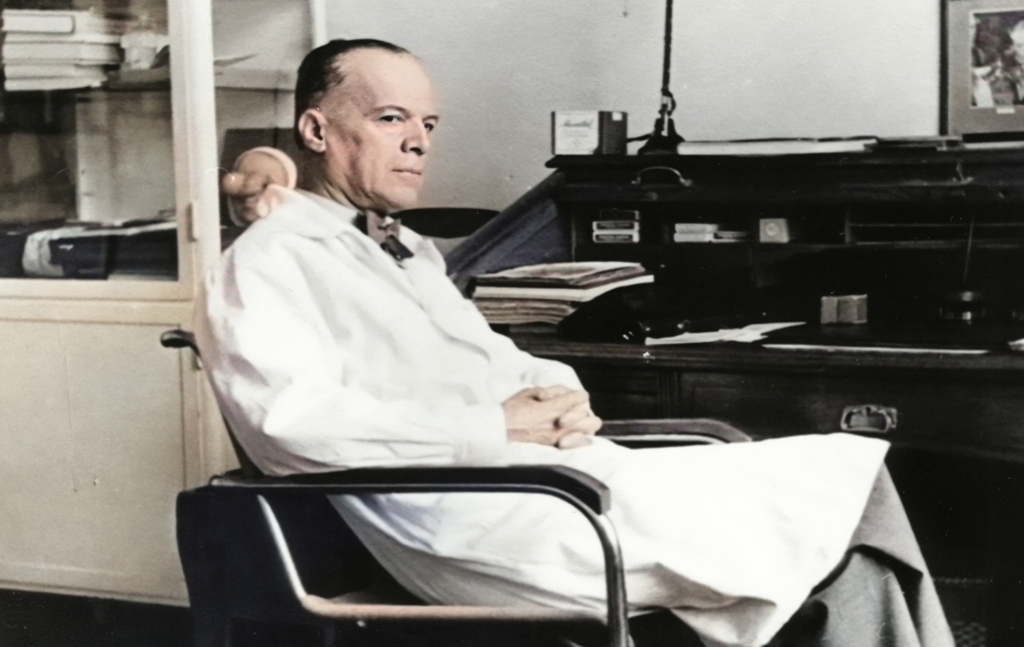
Prof. Dr. Milivoj Kostić, 1940. g.
Professor Milivoje Kostić was elected to vice dean in five successful school years. 1935/36 to 1939/40while it's for school 1940/1941 year he was elected to Dean Medical school. In the winter semester of 1940/1941 school year, a total of 2,025 students were enrolled at the medical faculty, and a total of 147 teachers and associates worked at 15 clinics and 12 institutes. , Until April 1941. in 20 years since its establishment, the Faculty of Medicine in Belgrade has completed 1,635 students. Prof. Kostić remained in the position of Dean until the April War, when a break occurred. Prof. Kostić continued as Dean the following school year 1941/1942. During the occupation at the University of Belgrade Faculty of Medicine a total of 314 students graduated (154 school 1940/41, 112 school 1941/42, 30 school 1942/43. and 18 school 1943-44).
Post-war period
From November 1944. years The surgical-urological pavilion has become III section of the main military hospital. After the return of prof. From the front of the House in April 1945. in 1999, the surgical and urological pavilion was divided into a surgical clinic, which was continued to be run by Prof. Dr. The urology department, whose head was prof. Cohen and the III Department of the main military hospital, whose head was Dr. Stanislav S. Bukurov. November 1946. in the building of the surgical-urology Pavilion, next to the surgical clinic, there was a merger of the urology department and the III Department of the main military hospital, which is managed by Prof. Dr. Cohen, as well as the creation of the Department of War surgery, for which Colonel JNA was appointed assistant professor Vojislav Stojanović (1906-1991).
By decree of the Council of the Faculty of Medicine 17. February 1947 years the merger of clinical hospitals, i.e. Clinics of the Faculty of Medicine, University of Belgrade, and the general state hospital, which ceased to exist, and Clinical Hospital. By the same decree the surgical clinic changed its name to The first surgical clinic., and remains under the direction of prof. A Millionth Bone. The urology department and the third surgical department of the main military hospital are educated Second surgical clinic with urology departmentalso under the direction of prof. Cohen. The surgical propedeutic clinic is renamed III surgical propedeutic clinic it is still run by prof. Miljanić, and from the Department of War surgery, which passes into two surgical pavilions, ODB is formed IV surgical clinic for war surgery which is handled by doc. Stojanović.
As part of the reorganization of the Clinical Hospital Orthopaedic Department ODB 1947. years it has grown into a clinic, and is now called Orthopedic cliniche was appointed as a new manager doc. Dr Miloš Simović (1898-1950).
During the formation of the Clinical Hospital, from the building of the clinic for skin diseases, the Pediatric Surgical Department 15. August 1947 years he moved to the Pediatric Hospital, and raised The clinic for pediatric surgery, the first of its kind in what was then Yugoslavia. The director of the children's surgical clinic is appointed prof. Dimitrije Jovčić.
Radical surgery (Billroth II) in duodenal biting
Operator: Prof. Dr. Milivoje Kostić, the first surgical clinic
Edited: Film Laboratory of the photographic department of the histological Institute MFUB under the direction of prof. Dr Aleksandar D. Kostić (1893 − 1983)
Recorded and processed: Kosta Novaković (1895-1953), the most famous Serbian cinematographer in the period between the two World Wars.
The Faculty of Medicine is 12. April 1951 years he accepted plan to reorganize surgical clinics, when clinics are transformed and given new-old names: first surgical, Urological, orthopedic, neurosurgical, second surgical and children's surgical clinics. The first surgical clinic is still managed by Professor Kostić, and within it are formed 4 departments whose heads were docents: Dr Salomon Davidović, Dr Stanislav S. Bukurov, Dr Milivoje Genčić and Dr Đorđe Đorđević-Chamba.
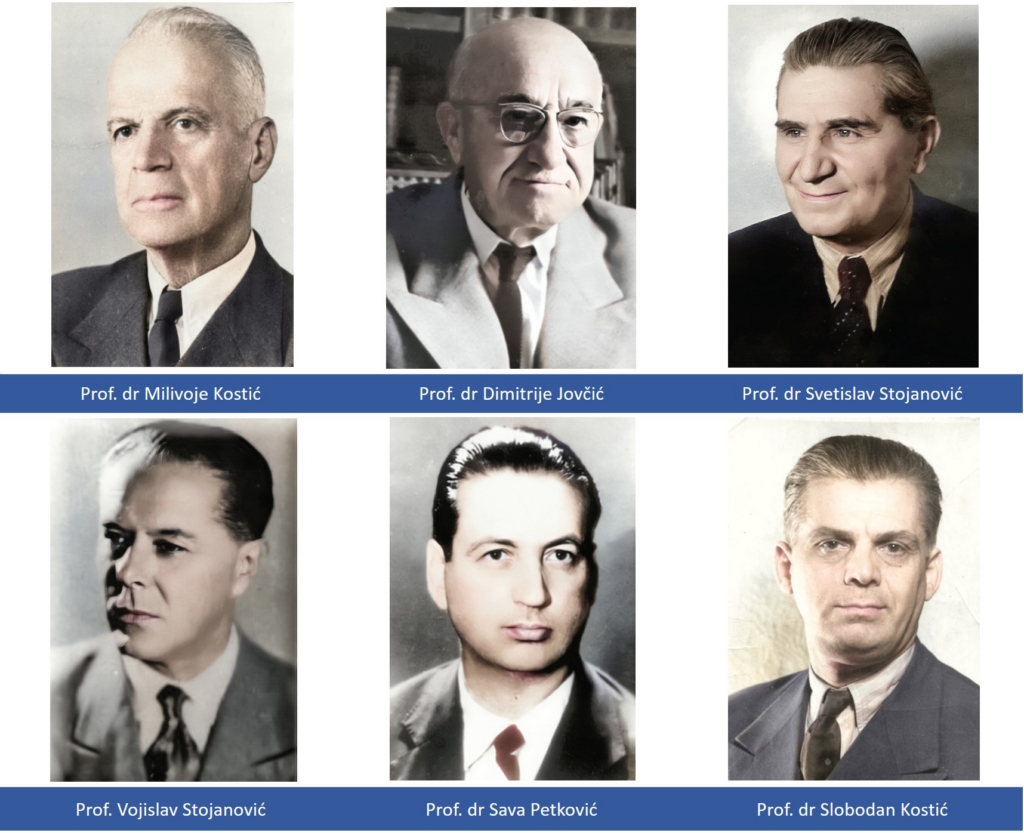
Reorganization of 1951. the second surgical clinic returns the old name Urology clinic who's in charge doc. Sava Petković (1910-1992)as long as the director Orthopedic clinics appointed prof. Svetislav Stojanović (1898-1977). The third surgical propedeutic clinic, led by prof. Miljanić ceases to exist, while IV surgical clinic for war surgery, becomes Second surgical clinic she continues to lead prof. Vojislav Stojanović. As part of the new reorganization of clinics, from the neurosurgical Department of the surgical clinic is 26. June 1951. years formed Neurosurgical clinicand it is set up for the manager associate professor Slobodan Kostić. Professor Kostić would remain as director of the first surgical clinic until his retirement in 1956.
Prof. Dr Milivoje Kostić & # 8211; & # 8222;father of modern Serbian surgery& # 8220;
During his professional career, Professor Milivoje Kostić participated in a large number of international professional meetings and became an honorary and Corresponding Member of several foreign surgical associations. He participated in professional conferences and gave lectures in Prague, Warsaw, Sofia, Berlin, London, New Orleans, Paris, Lisbon, Copenhagen, Munich, Rome and Vienna. He was an honorary member of the German Society of surgery, the Polish Surgical Society, the Belgian Association of surgeons, as well as a corresponding member of the Paris surgical Academy, the Berlin Medical Society, The Royal Association of surgeons and the Italian Surgical Association. Since 1949. until 1969. he was a member of the Scientific Council of the International Association of Surgeons in Brussels.
In the country, Professor Kostić was an honorary member of the Society of Yugoslav surgeons, honorary president of the surgical section of the SLD, life honorary president of the Association of neurosurgeons of Yugoslavia, honorary member of the Slovenian medical society and regular member of the Academy of Sciences and arts of Bosnia and Herzegovina. He was awarded the order of labour and order and the order of merit to the people with Gold Star. 10 was chosen. June 1955. corresponding member of the Serbian Academy of Sciences and arts. The 30-year-old was elected as a member of the SANA. in 1958, he was a member of the SANU presidency since 1959. by 1960. year. He gave his last scientific lecture in 1961. in San. Prof. I'll make it 11. June 1971. awarded honorary Doctor's degree by the University of Belgrade.
Prof. Kostić died at 91. year, 21. February 1974 years, due to intracranial hemorrhage. By fate, he died in the newly built building of the neurosurgical clinic, whose originator was 36 years ago. Prof. Kostić, the" father of contemporary Serbian surgery", was buried in the New Cemetery in Belgrade.
In the coming period, numerous changes will take place in organizational terms within the hospital complex of the Faculty of Medicine in Belgrade and the future clinical center. These six clinics – First surgical, second surgical, Urological, Orotopedic, pediatric and Neurosurgical - will be the basis of further development of Serbian surgery and from them will emerge most of the future teaching bases of the Department of surgery of the Faculty of Medicine, University of Belgrade.
The chair retained the title of chair of surgery with war surgery until 2004. years when it was renamed to Department of surgery with anesthesiology.
Contribution The Department of surgery of the Faculty of Medicine, University of Belgrade the development of Serbian and European surgery is immeasurable, and the surgical clinics of the Faculty of Medicine have remained the leading surgical institutions not only in the country but also in the region to this day.
Prof. Dr Aleksandar P. Simić